
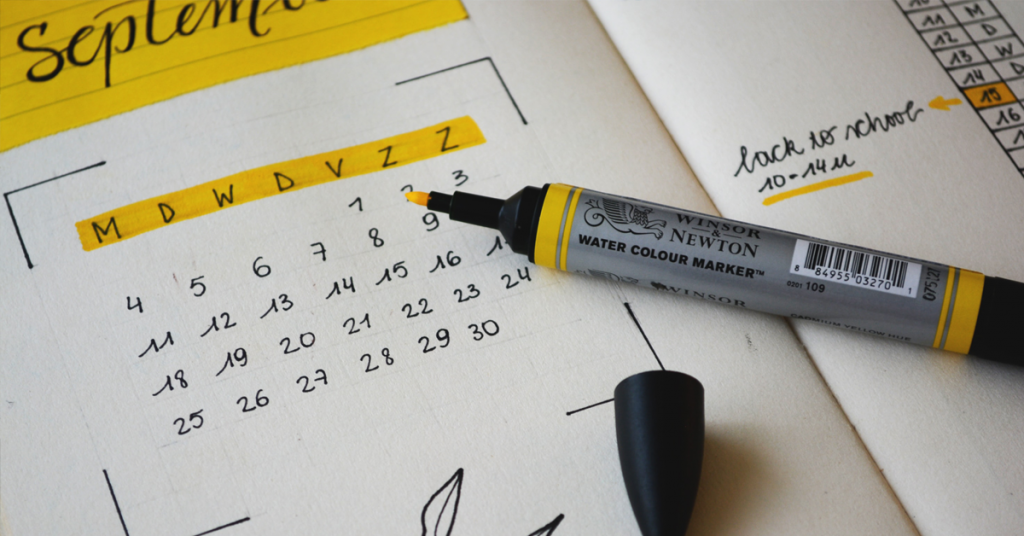
Patients often schedule facelift surgery around important life events, such as a son’s or daughter’s wedding, a class reunion, or a milestone celebration. While it’s natural to focus on the physical recovery timeline, I encourage patients to also plan for social recovery, which is often a little longer.
Social recovery refers to the time it takes for swelling, bruising, and other visible signs of surgery to improve enough that you feel comfortable returning to work, attending social events, or posing for photos. Although many patients feel physically well within a couple of weeks, they may choose to wait a little longer before attending an important social event or having professional photos taken as their results continue to refine.
Facelift Recovery Timeline
I’ve provided an approximate recovery timeline for facelift patients below. This timeline includes both the physical and social downtime involved. I emphasize these are estimated times, as each patient’s recovery is unique.
Week 1
You’ll probably want to avoid seeing friends or co-workers during the first week or so after getting a facelift. I often apply a large dressing immediately after the surgery to help minimize swelling and replace it about a day later. Even though you should limit activities during this stage, walking around the house starting the day after the surgery is essential to promote healing.
Weeks 2 to 3
Most facelift patients feel pretty much back to normal but may still have some bruising and swelling around the incision sites. Many patients return to work and feel comfortable going to the store and being out in public generally. Using makeup and styling hair differently are good ways to camouflage any signs of surgery.
Weeks 3 to 12
In most cases, the results of a facelift improve with each passing day. A person’s comfort level attending a class reunion, wedding, or other significant social event varies, but by 6 weeks post-op, most facelift patients have no residual signs of surgery. Results that look good after a month tend to look even better after 3 months.
Facelift Before and After Photos


How the Facelift Technique Affects Recovery
Although the overall stages of healing are similar, recovery can vary depending on the facelift technique used. The extent of the procedure, the amount of tissue repositioning, and your individual healing response all influence the amount of swelling and bruising you experience and when you’ll feel ready to return to work and social activities.
Mini Facelift Recovery
A mini facelift addresses earlier signs of facial aging using a less extensive approach than a full facelift. Because less tissue is repositioned, patients often experience somewhat less swelling and bruising and may feel comfortable returning to work and social activities sooner. However, it’s still important to allow enough healing time before weddings, reunions, or other milestone events.
Preservation Deep Plane Facelift Recovery
A preservation deep plane facelift repositions deeper facial tissues for more extensive rejuvenation. As a result, patients should expect a somewhat more involved recovery, with swelling and bruising gradually improving over the first several weeks. While many patients feel comfortable returning to work within 2 to 3 weeks, those planning an important social event should allow additional time for residual swelling to resolve and for results to continue to refine.
Regardless of the technique used, Dr. Hobgood provides personalized recovery instructions and follows each patient closely throughout the healing process to help ensure the best possible outcome.
When Should You Schedule a Facelift Before a Big Event?
If you’re planning your facelift around a wedding, reunion, vacation, or other milestone, remember that recovery isn’t the only timing consideration. You’ll also need time to research surgeons, schedule consultations, and reserve a surgery date. Feeling pressured to choose a surgeon because of a looming deadline is never a good idea. Keep in mind that experienced facelift surgeons are often booked several months in advance. Ideally, begin planning about 6 months before an important event so you have time for consultations, surgery, and recovery.
If that lead-time isn’t possible, consider nonsurgical treatments such as a “liquid facelift” using BOTOX® Cosmetic and fillers to produce effective but temporary results. They can’t match a facelift’s more dramatic and long-lasting results, but nonsurgical treatments are a viable alternative.
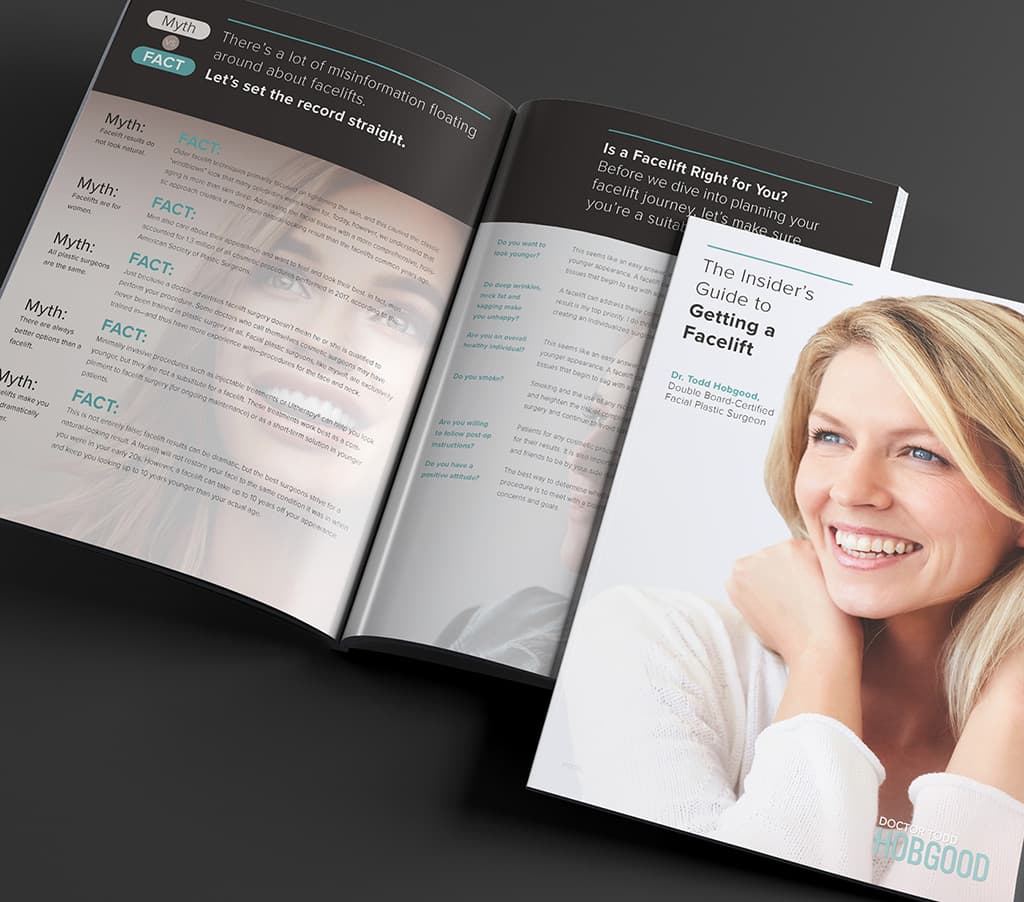
A Must-Have for Facelift Patients
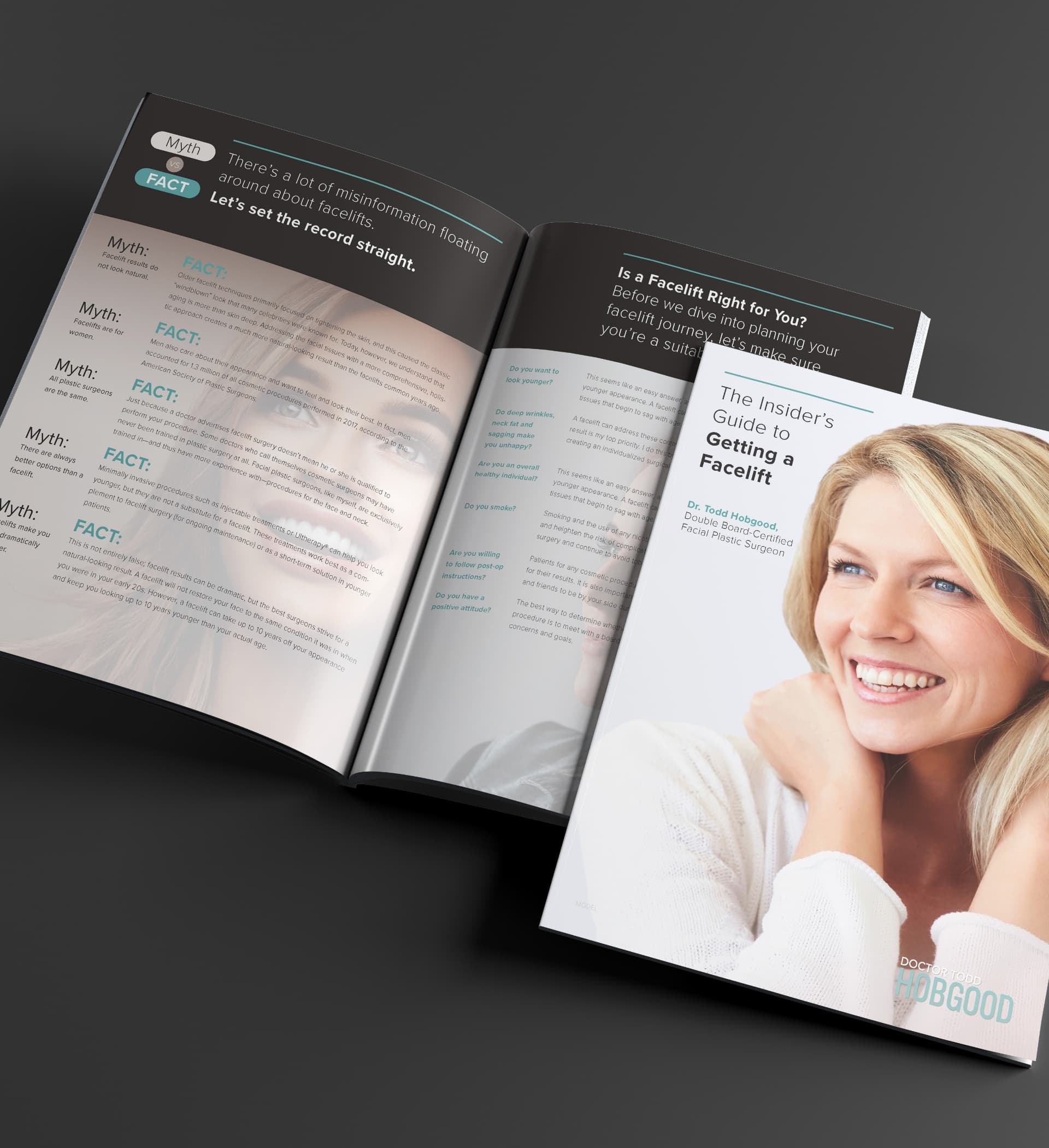
"The Insider's Guide to Getting a Facelift" is the definitive e-book that distinguishes facts from myths and describes the journey of a facelift patient with engaging content and easy-to-understand illustrations.
Double board-certified facial plastic surgeon Dr. Todd Hobgood is one of the leading facelift experts in the U.S., and he's drawn on years of experience to create this Insider's Guide.
Dr. Hobgood's Insider's Guide describes:
- Why modern facelift techniques create results that look natural
- Who is a good candidate for a facelift
- What the difference is between a full and a mini facelift
- When you can expect to see friends socially after a facelift
Submit the form below to receive our free eGuide as part of a short series of emails on Facelift.
If you’re looking in the Phoenix-Scottsdale area for a facelift specialist, you can contact our office using the online form to request a consultation or call us at (480) 214-9955 to schedule an appointment.
Leave a Reply