


How Much Does Blepharoplasty (Eyelid Surgery) Cost in Scottsd...
Read On

Hobgood Facial Plastic Surgery: Todd Hobgood, MD
8415 North Pima Road #120
Scottsdale, AZ 85258
Phone: (480) 214-9955
Hours:
Monday-Friday: 8 a.m.–4 p.m.
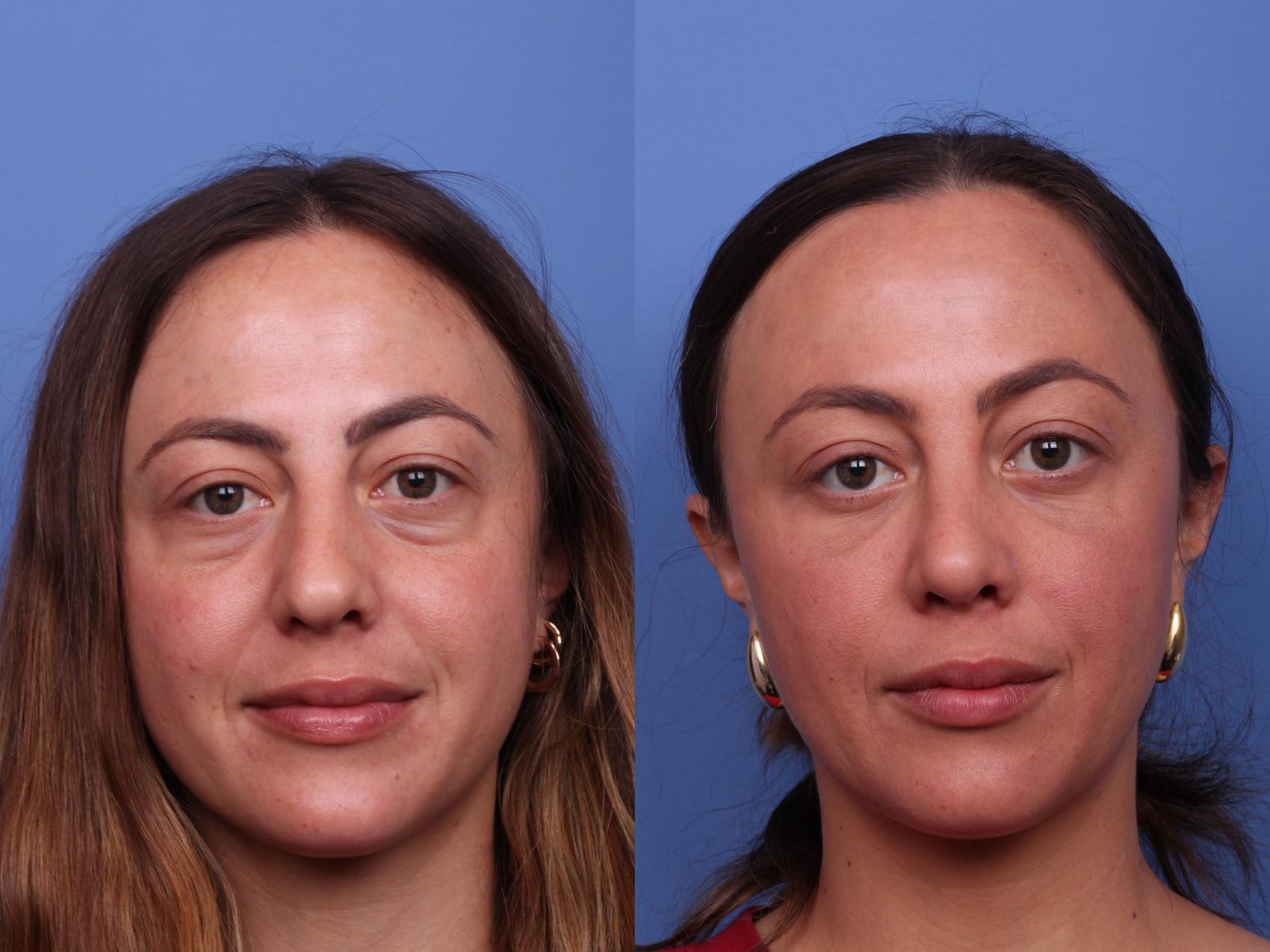
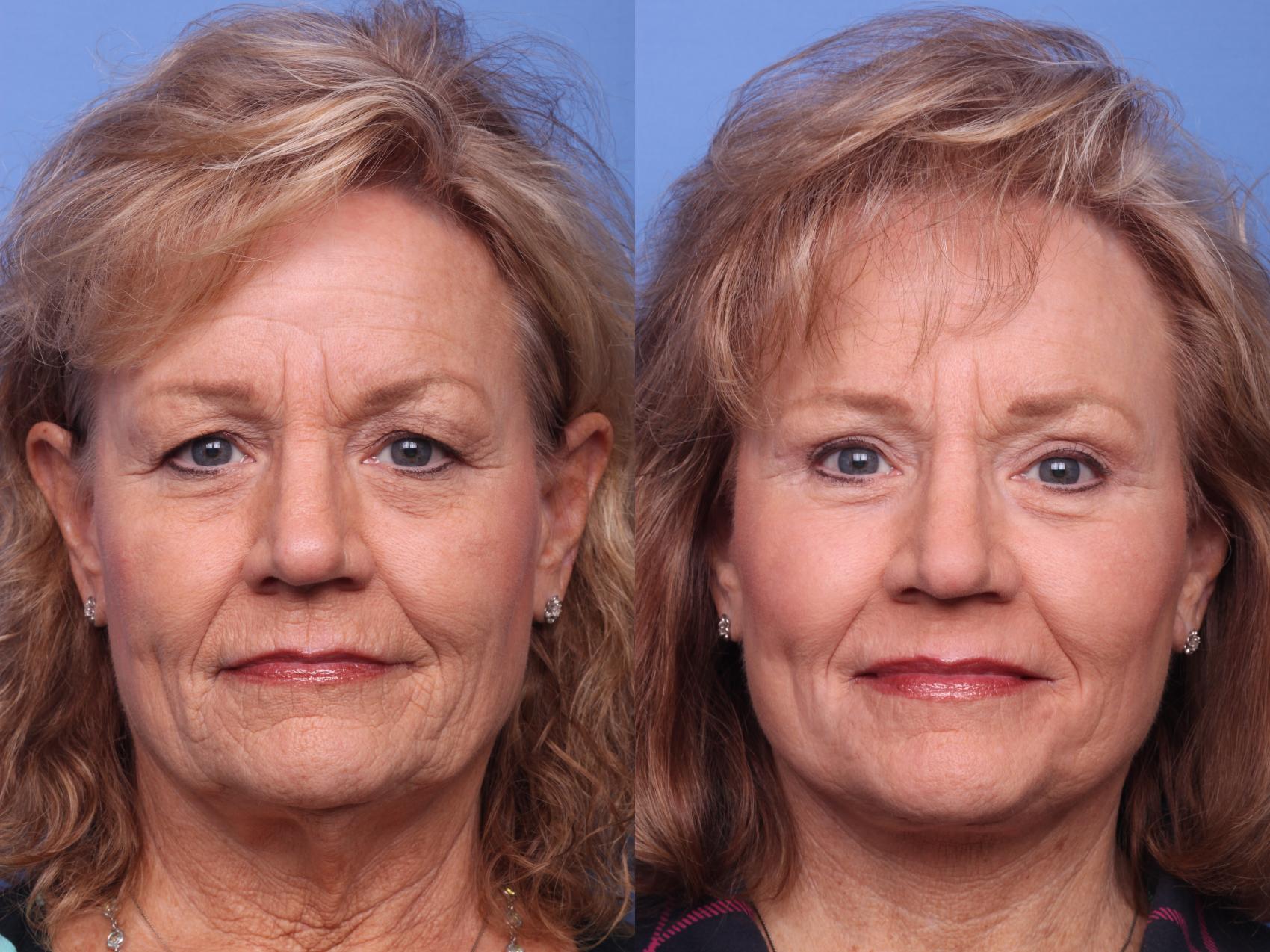
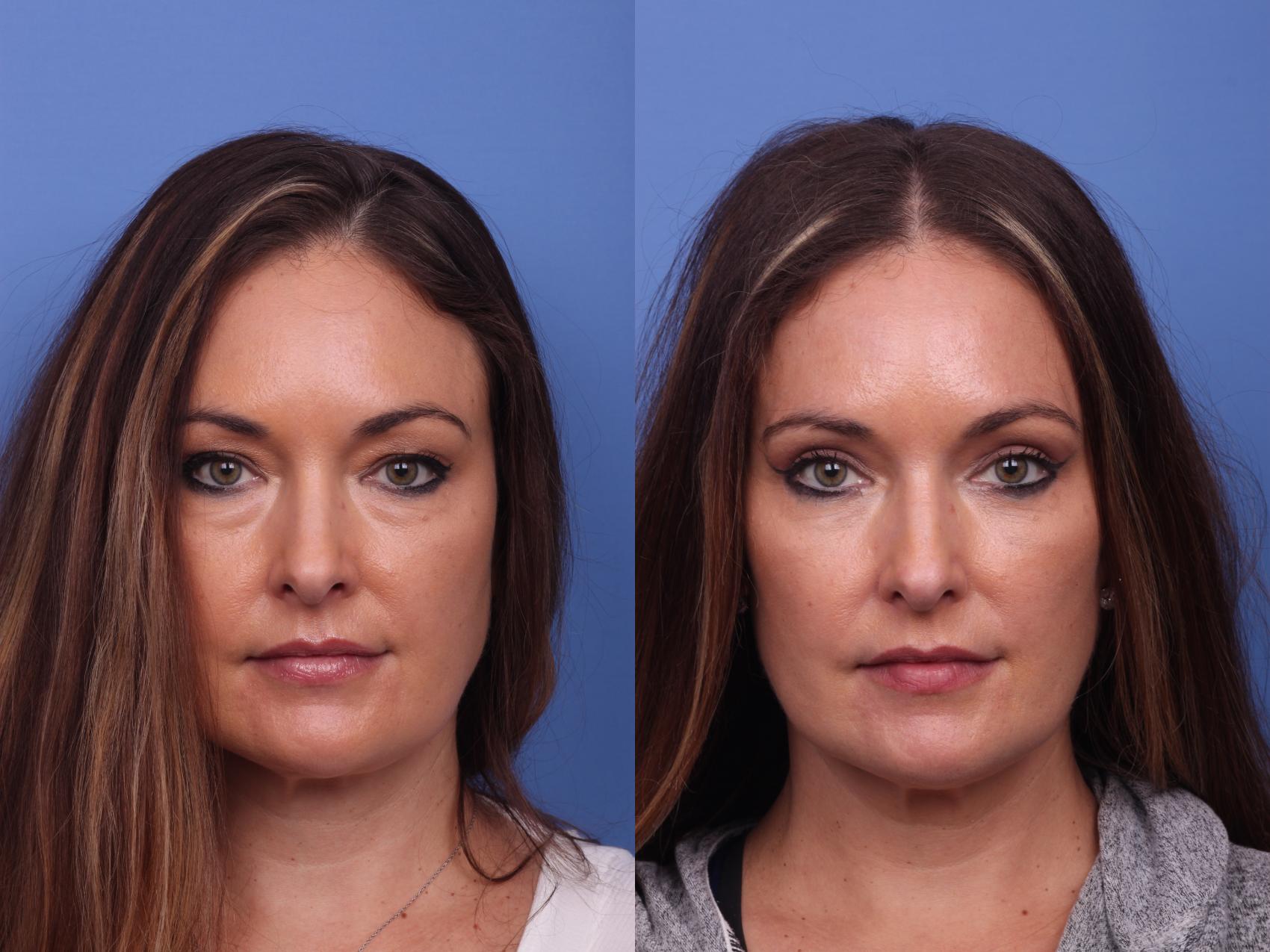
Residents of Scottsdale, Arizona, place their trust in Dr. Todd Hobgood for blepharoplasty—commonly known as eyelid surgery—to tackle some of their most bothersome aesthetic issues. The skin around the eyes is notably thin and delicate, making it one of the first areas to show signs of drooping, sagging, and wrinkling. Many people believe their eyelids cause them to look older, fatigued, or sad. In some cases, sagging skin can even lead to visual impairments. Dr. Hobgood applies his refined expertise to address the aspects of your upper and lower eyelids that contribute to your self-consciousness.

Keep in mind that each patient is unique and your results may vary.

Keep in mind that each patient is unique and your results may vary.
Keep in mind that each patient is unique and your results may vary.
Keep in mind that each patient is unique and your results may vary.
Keep in mind that each patient is unique and your results may vary.
Keep in mind that each patient is unique and your results may vary.
Keep in mind that each patient is unique and your results may vary.
The best candidates for blepharoplasty are nonsmokers in overall good health who wish to rejuvenate the appearance of their eyes. Prospective patients should not have existing health conditions that might interfere with the procedure, such as bleeding disorders, diabetes, heart diseases, compromised immune systems, active infections, or certain eye disorders. These conditions can increase the risk of infection, slow healing, cause excessive bleeding, and lead to other complications related to surgery and anesthesia.
Blepharoplasty can address several common aesthetic issues of the upper and lower eyelids, including:
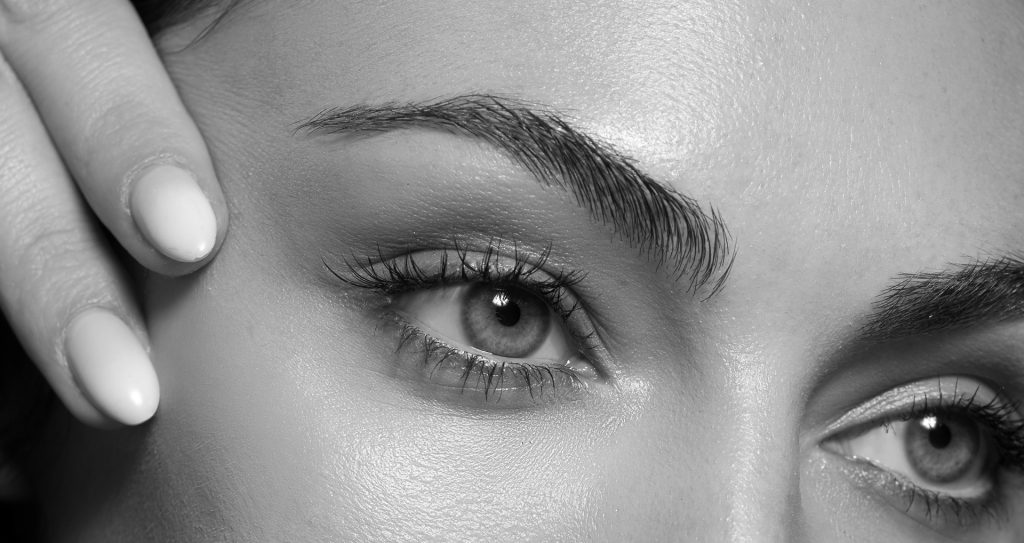
The price of eyelid surgery in the Scottsdale area varies based on the patient’s individual needs. More intricate cases generally cost more, and combining eyelid surgery with other procedures like a brow lift will increase the overall price. During your consultation, Dr. Hobgood will go over your potential costs to help you make an informed decision.
Learn more about eyelid surgery pricing and the factors that influence its cost on our Pricing for Facial Plastic Surgery page.
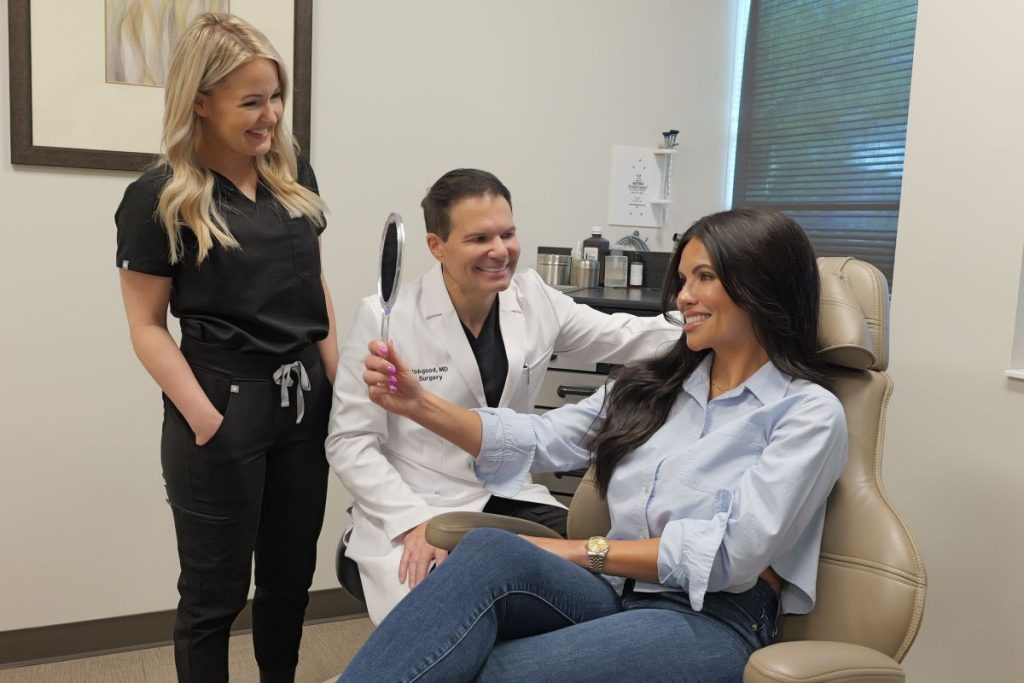
Prior to undergoing eyelid lift surgery, Dr. Hobgood will schedule a consultation to assess your suitability for the procedure. During this appointment, he will examine your eyes, discuss your surgical goals, and review your medical history. He will also inquire about your use of contact lenses and evaluate your tear production. This information helps him identify any issues that might increase the risk of complications or disqualify you as a good candidate for eyelid lift surgery. Factors like skin type, age, ethnic background, and any vision impairment can influence the outcome of the procedure.
Dr. Hobgood will share his findings with you, address any questions or concerns, collaborate with you to develop a treatment plan, and explain the details of the surgery so you know what to expect.
Dr. Hobgood combines his down-to-earth, personable demeanor with an artistic eye and technical expertise honed through thousands of surgeries, including more than 1,700 facelifts and over 5,000 rhinoplasties. He's recognized nationally for his leadership and has been honored by the American Academy of Facial Plastic and Reconstructive Surgery for his ongoing commitment to quality.
Meet Dr. Hobgood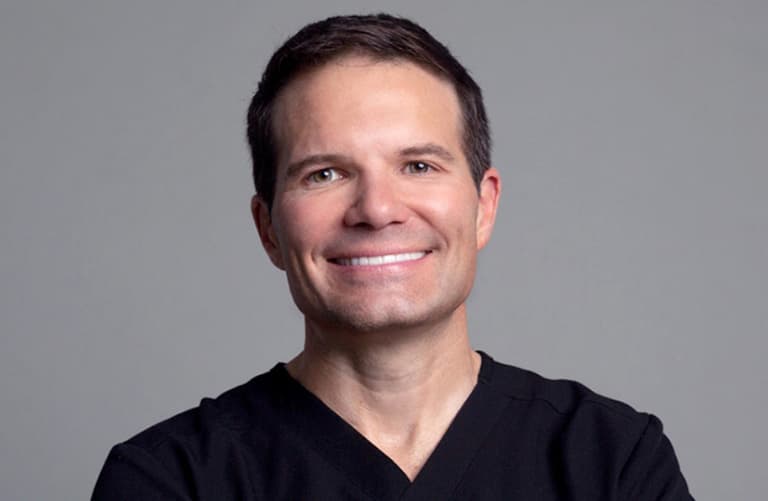
Many men and women find that blepharoplasty complements other facial rejuvenation procedures, such as a brow lift or facelift. Additional treatments could include fat transfer, chemical peel, or carbon dioxide laser treatment.
For simple upper and lower blepharoplasty procedures, like removing excess fat or skin, Dr. Hobgood can use local anesthesia. More extensive procedures will require general anesthesia.
Dr. Hobgood starts by measuring your eyelids and marking the planned incision sites. He makes the incision within the natural crease of your upper eyelid, ensuring any scars remain as inconspicuous as possible. Through these precise incisions, he removes excess fat and skin and tightens the remaining tissue. After completing these steps, he closes the incisions with ultrafine sutures to minimize scarring.
Upper Blepharoplasty At A Glance
Price Range: Varies
Recovery Time: 2 to 6 Weeks
Average Procedure Time: 1 Hour
Post-op Follow-up: 1 Week, 2 Months
Recovery Location: Outpatient
Lower eyelid surgery can be quite complex, so Dr. Hobgood takes the time to educate patients about various factors he considers during planning, such as:
After evaluating these factors, he suggests the most conservative and safest surgical approach. Dr. Hobgood may recommend the highly technical transconjunctival method, where the incision is made internally on the inner surface of the lower eyelid. If skin removal is necessary, external incisions hidden under the eyelashes are required. He often advises preserving the natural fat volume and repositioning it to fill hollow areas known as tear troughs. Additionally, many patients have wrinkled skin under the eyes that may benefit from tightening with a laser or chemical peel.
Lower Blepharoplasty w/Fat Transfer At A Glance
Price Range: Varies
Recovery Time: 2 to 6 Weeks
Average Procedure Time: 1.5 Hours
Post-op Follow-up: 1 Week, 2 Months
Recovery Location: Outpatient
Keep your eye on the goal. Bruising, slight tenderness, and swelling are normal and usually subside within 10 to 14 days. Be patient as this sensitive area heals.
Tired eyes. Many patients report dry, itchy, or heavy sensations in the eyes post-surgery. Dr. Hobgood will prescribe eye drops to help relieve these symptoms.
Stitches. If your surgery was limited to the upper eyelids, your stitches will likely be removed about six days after the procedure. For lower eyelids, Dr. Hobgood uses dissolvable sutures that will disappear on their own.
You will receive information regarding places or activities to avoid during the recovery process.
Upper/Lower Combined At A Glance
Price Range: Varies
Recovery Time: 2 to 6 Weeks
Average Procedure Time: 2 Hours
Post-op Follow-up: 1 Week, 2 Months
Recovery Location: Outpatient
Dr. Hobgood strongly advises his patients to follow the post-operative instructions he provides to minimize the risk of complications and promote optimal healing and results. Here are some steps you can take to accelerate healing and reduce swelling:
Discover more about eyelid surgery and why people from Scottsdale and surrounding areas trust Dr. Hobgood for blepharoplasty. Request a consultation online or call our office at (480) 214-9955 to schedule your appointment.
Request My Consultation
Reviewed for clinical accuracy by Dr. Todd C. Hobgood on April 23rd, 2026.